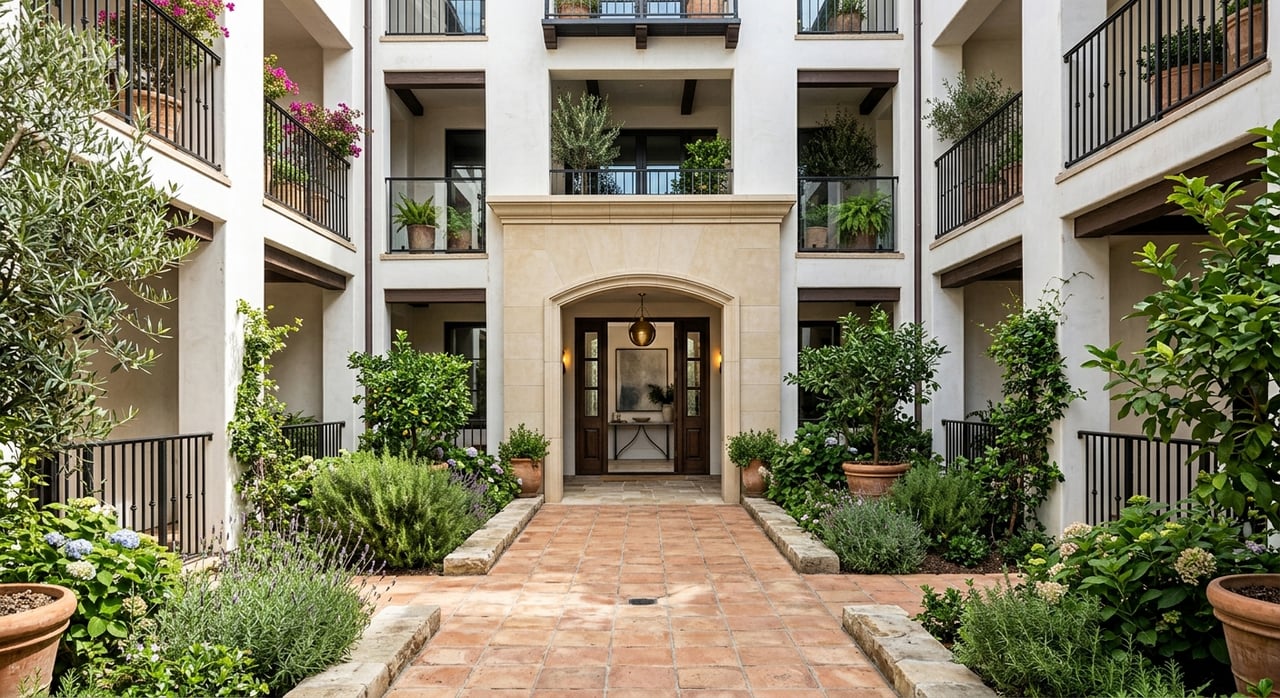
Wondering if a condo or townhome in La Jolla is the right way to buy into one of San Diego’s most iconic coastal markets? You are not alone. For many buyers, attached homes in La Jolla offer a practical path to the lifestyle, location, and lower-maintenance ownership they want, without stepping into detached home pricing. This guide will help you understand what to expect, what to compare, and what questions to ask before you write an offer. Let’s dive in.
Why buyers look at attached homes in La Jolla
La Jolla is a built-out coastal community with ocean bluffs, beaches, canyons, hillsides, and a Village core centered around Prospect Street, Girard Avenue, and Torrey Pines Road. Because of that layout, condos and townhomes tend to be found in established pockets instead of large new-home developments.
That matters when you start your search. In La Jolla, attached housing is usually less about finding a bargain and more about finding the right mix of location, convenience, amenities, and ease of ownership.
According to SDAR’s April 2026 update for 92037, the median sales price for detached homes was $3,950,000, while the attached median was $1,061,250. Year to date through April, the attached median sales price was $1,250,000. In other words, condos and townhomes can offer a lower entry point than detached homes, but they are still very much part of a high-value coastal market.
What the La Jolla condo market tells you
Attached inventory in 92037 was reported at 2.7 months in April 2026, compared with 3.7 months for detached homes. That gives you a sense of supply, but it is also important to remember that percentage shifts can look dramatic in La Jolla because the sample sizes are often small.
For buyers, the bigger takeaway is simple: La Jolla attached homes are often lifestyle purchases. You may be choosing walkability to the Village, beach proximity, lock-and-leave convenience, gated access, or a community with amenities that reduce day-to-day upkeep.
If you are relocating, downsizing, buying a second home, or simply trying to stay in a prime coastal area without detached-home pricing, condos and townhomes can make a lot of sense.
Common condo and townhome styles
La Jolla does not have one single attached-home formula. Instead, you will find a few broad categories that appeal to different buyers.
Full-service oceanfront buildings
Some buyers want a true lock-and-leave setup with secure access and service-focused amenities. A good example is 939 Coast, an oceanfront Village high-rise known for features like a 24/7 front desk, valet, guest suites, pool and spa, fitness room, sauna, library, theater, party room, and assigned parking.
If that style fits your goals, pay close attention to monthly dues and exactly what level of service is included. In these communities, the value often comes from convenience, staffing, and a more hands-off ownership experience.
Garden-style condo communities
Other buyers prefer a simpler community layout with lower-profile amenities and a more residential feel. Villa La Jolla is one example, with a large garden-style condominium community on Via Mallorca.
This type of property can appeal to buyers who want condo ownership without the feel of a tower or luxury high-rise. The tradeoff is that amenities and service levels may be more modest, so you will want to compare HOA coverage carefully.
Townhome and planned enclave living
Townhome communities in La Jolla can offer more interior space, attached garages, and a layout that feels closer to detached living. La Jolla Terrace is one example near UCSD, with attached garage parking, a pool, spa, barbecue area, and in-unit laundry.
Mount La Jolla is another strong example of an amenity-rich townhome or twinhome setting. Listing data describe broad HOA coverage there, including water, exterior maintenance, termite, sewer, trash, fire and earthquake insurance, TV, and internet, plus amenities like pools, tennis courts, clubhouse facilities, gym, steam saunas, library, and a putting green.
Gated amenity-focused communities
Some buyers prioritize privacy, recreation, and community features. Ventana, for example, is a gated community on Mt. Soledad with pool and spa access plus a recreation center with clubhouse, fitness and social facilities, two swimming pools, a spa, and tennis courts.
In these communities, the lifestyle package can be a major selling point. At the same time, details like parking enforcement, guest access, and HOA rules can shape your day-to-day experience more than you might expect.
How to match the property to your goals
The best condo or townhome for you depends less on the label and more on how you plan to use it.
If you want lock-and-leave convenience
Look for secure access, professional management, and HOA responsibility for exterior maintenance. Buildings or communities with stronger service coverage can be especially attractive if you travel often, split time between homes, or simply want fewer maintenance tasks.
If you are downsizing
Focus on layout and predictability. Single-level living, elevator access, easy stairs, manageable parking, and clear monthly costs often matter more than flashy amenities.
If you are buying a second home
Rental flexibility and parking tend to matter fast. Before you fall in love with a unit, confirm the HOA’s lease rules, any minimum rental period, parking assignments, and guest-parking limitations.
If you want beach-close living
Location is a big part of the value. Buyers often compare options near the Village or beach-close communities such as La Jolla Shores Clubdominiums, which are described as condos across from La Jolla Shores Beach with a pool, spa, and secure underground parking.
Why HOA review matters so much
When you buy a condo or townhome in a California common interest development, you automatically become a member of the HOA. That means the HOA is not just background paperwork. It is a major part of what you are buying.
California disclosure rules require the seller to provide governing documents, recent budget materials, assessment information, any rental prohibition statement, and other key records before closing. The HOA’s CC&Rs, bylaws, rules, budget, reserve funding summary, assessment status, and recent board minutes can tell you a lot about how the community is run.
A well-run HOA can support property condition, budgeting, and daily livability. A weak one can create uncertainty around repairs, special assessments, or rule enforcement.
The HOA documents you should review
When you are comparing attached homes in La Jolla, these are some of the most useful items to review:
- CC&Rs
- Bylaws and community rules
- Current HOA budget
- Reserve funding summary
- Assessment status
- Any notice of pending special assessments
- The latest approved board minutes
- The most recent inspection report, when available in the disclosure package
California law requires annual budget reporting with a reserve summary, and reserve planning calls for a reasonably competent visual inspection at least once every three years in qualifying associations. That matters in La Jolla, where many communities are older and coastal conditions can increase maintenance demands.
Special assessments and reserve health
Monthly dues tell only part of the story. A lower fee is not always better if the association has weak reserves or major deferred maintenance.
The California Department of Real Estate explains that HOA budgets cover operating expenses, reserves, administration, and contingency planning. Special assessments are often used for major repairs or replacements, so reserve strength becomes especially important in older coastal buildings and larger planned communities.
In practical terms, you want to know whether the HOA appears to be planning ahead or reacting late. That is one of the clearest differences between a smooth ownership experience and an expensive surprise.
Rental rules and short-term rental limits
If rental income or second-home flexibility matters to you, verify both city rules and HOA rules.
The City of San Diego requires a Short-Term Residential Occupancy license for stays under one month, limits hosts to one active license at a time, and requires transient occupancy tax compliance. Separately, California law requires disclosure if the HOA bans rentals or leases.
That means you should never assume a property can be used the way you intend just because it is in a coastal area. The city’s licensing rules and the HOA’s lease restrictions both need to work for your plans.
Coastal due diligence in La Jolla
Some La Jolla properties come with an extra layer of due diligence because of the setting. The area is defined by coastline, bluffs, beaches, canyons, and hillsides, and coastal resilience planning in La Jolla Shores reflects long-term attention to sea-level-rise issues.
If the home is near the shoreline, bluff, or canyon, ask more questions. You may want to understand whether the association has discussed erosion, access issues, geotechnical work, or planned resilience-related projects.
This does not mean every coastal property has a problem. It simply means location-specific due diligence is part of buying wisely in La Jolla.
Smart questions to ask at showings
A polished listing can make almost any condo look appealing. The smarter move is to use your showings to uncover the details that affect daily life and long-term costs.
Ask questions like these:
- What does the HOA fee cover, and what is billed separately?
- Is there a pending special assessment or a major repair project planned?
- When was the last reserve study, and how well funded are reserves?
- How many parking spaces are assigned?
- What are the guest-parking rules?
- Are rentals allowed, and what is the minimum lease term?
- If the property is near the coast, bluff, or canyon, has the HOA discussed erosion, access, or resilience work?
These answers often tell you more than the finishes or staging ever will.
How to buy with more confidence
In La Jolla, the right attached home is usually the one that fits your lifestyle, budget, and ownership goals all at once. That means balancing the unit itself with the community around it, the HOA behind it, and the location-specific issues that come with a coastal market.
If you take the time to compare service levels, review HOA documents closely, and ask the right questions early, you can avoid a lot of surprises. You can also get much clearer on whether a full-service building, a simpler condo community, or a townhome enclave is the best fit for your next move.
If you are comparing La Jolla condos and townhomes and want calm, practical guidance through the options, grab a coffee and let’s talk about your next move with Anthony Macaluso.
FAQs
What is the price difference between La Jolla condos and detached homes?
- As of SDAR’s April 2026 update for 92037, the detached median sales price was $3,950,000 and the attached median was $1,061,250.
What should a La Jolla condo buyer review in the HOA package?
- Review the CC&Rs, bylaws, rules, current budget, reserve funding summary, assessment status, any pending special assessment notices, approved board minutes, and the most recent inspection report included in disclosures.
Are short-term rentals allowed in La Jolla condos and townhomes?
- You need to confirm both city and HOA rules. The City of San Diego requires an STRO license for stays under one month, and the HOA may also limit or prohibit rentals.
What questions matter most when touring a La Jolla townhome?
- Ask what the HOA fee covers, whether any special assessments or major repairs are planned, how reserves are funded, what parking is assigned, what guest-parking rules apply, and what rental restrictions exist.
Are La Jolla condos a good option for downsizers or second-home buyers?
- They can be, especially if you want lower-maintenance ownership, secure access, predictable upkeep, and a coastal lifestyle, but the right fit depends on the HOA, parking, service level, and rental rules.