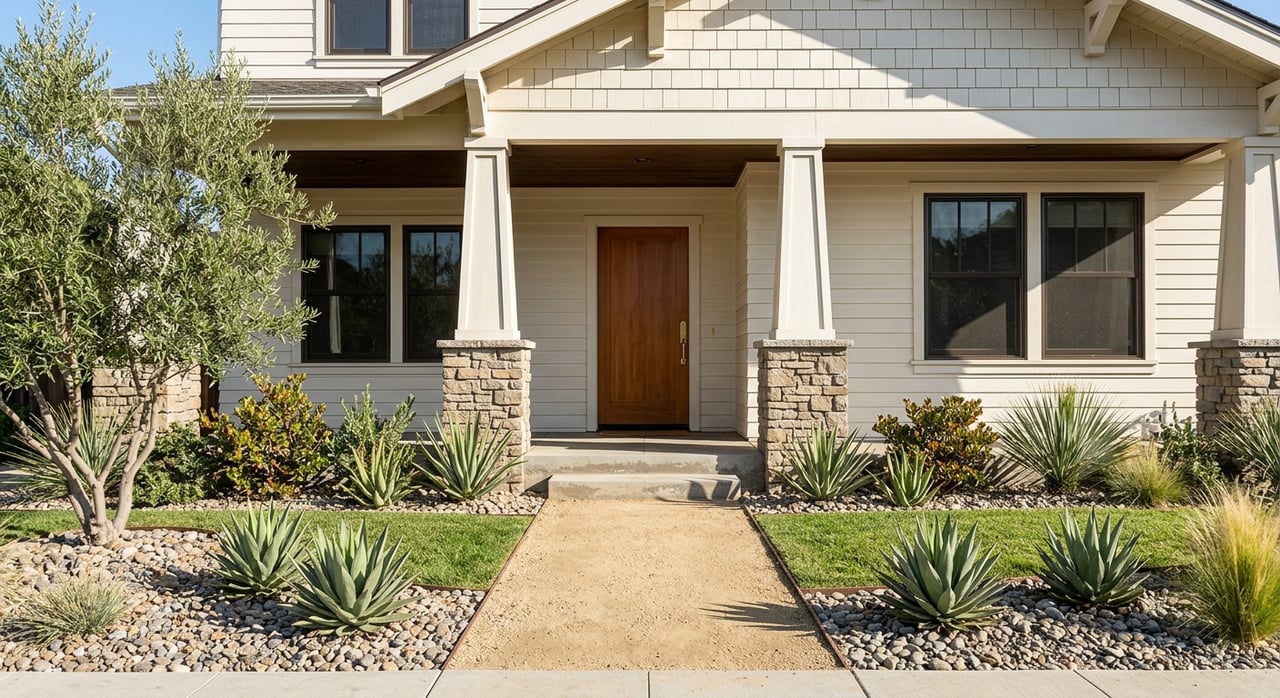

If you are trying to sell your current home and buy your next one in Carlsbad at the same time, you already know the hard part is not just finding the right house. It is lining up timing, money, and logistics so one move does not create two headaches. In a fast-moving market, a good plan can help you avoid rushed decisions, double housing costs, or a stressful gap between closings. Let’s dive in.
Why timing matters in Carlsbad
Carlsbad moves quickly, which makes sell-and-buy coordination especially important. For the three months ending May 2026, Redfin reported a median sale price of $1,544,825, about two offers on average, and an average sale timeline of around 23 days. Zillow’s June 30, 2026 snapshot also pointed to a fast market, showing an average home value of $1,387,670, about 365 homes for sale, and a median days-to-pending figure of 16.
The exact price numbers differ because the platforms use different methods, but the takeaway is the same. If you are moving up, downsizing, or changing neighborhoods in Carlsbad, you need a clear sequence before your home hits the market or before you write an offer.
Start with your budget and cash flow
Before you choose a strategy, get clear on what you can comfortably carry. Buying your next home involves more than the down payment and mortgage. You also need to plan for closing costs, moving costs, repairs, improvements, and even furniture if the next home needs a different setup.
This is where many sell-and-buy moves get off track. On paper, the numbers may work once your current home sells, but the real question is what happens in the days or weeks before everything lines up. A smart plan starts with your payment comfort zone, available cash, and backup options.
Get preapproved early
Preapproval should happen at the start, not halfway through the process. Sellers often expect a preapproval letter before they accept an offer, so having it ready helps you act quickly when the right home comes up.
It also gives you a more realistic decision-making framework. You can compare what you want to buy with what your current home may realistically sell for, and you can see whether buying before selling is financially possible.
The three main ways to coordinate a sell-and-buy move
Sell first, then buy
This is often the lowest-risk path. Selling first can reduce the chance that you end up carrying two mortgage payments at once, and it gives you a firmer number for your sale proceeds before you shop for the next home.
The tradeoff is timing. If your sale closes before your next purchase is ready, you may need temporary housing or a short-term rental. That extra step can feel inconvenient, but for many homeowners it is the cleanest way to stay in control.
Buy before you sell
This option can work if you want to secure your next home first, especially in a market where good homes move quickly. In some cases, a bridge loan can help finance the new purchase before your current home closes.
That said, this path requires careful review with your lender. Guidance cited in the research report notes that a temporary bridge loan is generally structured for 12 months or less, and the lender must document your ability to carry the new home, your current home, the bridge loan, and other obligations.
Buy with a sale contingency
A sale contingency can create some protection if you need your current home to sell before your purchase moves forward. In California, that contingency needs to be clearly stated in the offer.
The California Department of Real Estate notes that if an offer is contingent on the sale of a buyer-owned property, the C.A.R. COP form is used. It also notes that contingency removal must be in writing, which is one reason careful paperwork and timeline management matter so much in a two-sided move.
How rent-backs can create breathing room
One of the most useful tools in a sell-and-buy move is a short post-closing occupancy, often called a rent-back. This can allow you to close the sale of your current home, access your proceeds, and stay in the property for a short period while your replacement purchase catches up.
In California practice, the C.A.R. SIP form is intended for short-term occupancy after closing, while the RLAS form is intended for longer stays of 30 days or more. The SIP form also advises parties to consult insurance, legal, and lender advisors because seller occupancy after closing can affect liability and loan treatment.
Plan for a gap before it happens
Even the best plan can hit a timing snag. A closing can move, repairs can come up, or your replacement home may take longer to secure than expected. That is why it helps to decide early what your fallback plan will be.
Your backup options may include:
- Temporary housing
- A short-term rental
- A bridge financing conversation with your lender
- A short seller occupancy period after closing
If you do end up with a gap, treat it like part of your moving budget instead of an emergency. Renting for a short period can add flexibility, especially if your timing needs to stay open.
Use inspections and contingencies to protect the timeline
Fast markets can tempt people to cut corners. That is usually not the best move when you are trying to coordinate two major transactions at once.
The California Department of Real Estate advises that offers should include desired contingencies, and buyers should seek professional advice if they do not understand the contract. Inspections and written contingencies help reduce surprises that can delay closing, reopen negotiations, or throw off your move schedule.
Coordinate escrow and title from day one
A sell-and-buy move has more moving parts than a standard transaction. You are juggling contract dates, disclosures, inspections, loan milestones, title work, and possession timelines on two properties at once.
The California Department of Real Estate describes escrow as a neutral third party and title insurance as protection against unknown title defects. When both sides of your move are being coordinated from the beginning, it is easier to track deadlines, avoid overlap problems, and adjust if one side shifts.
How Compass tools can help with timing
If you need to prepare your home for sale before your next purchase is fully locked in, presentation and launch strategy can make a real difference. That is especially true in Carlsbad, where strong first impressions matter.
Compass Concierge is designed to help sellers prepare a home for market without upfront payment. According to Compass, zero is due until closing, and repayment happens when the home sells, the listing ends, or 12 months pass. Services may include staging, decluttering, painting, landscaping, and moving or storage support.
For homeowners coordinating a sale and purchase, that can ease some of the pressure around cash flow. Instead of delaying prep work, you may be able to get your home market-ready while preserving liquidity for your next move.
Why pre-marketing can help
Compass Coming Soon can also support timing strategy. Compass positions it as a pre-MLS marketing phase that can expand exposure on Compass.com and Redfin.com while avoiding public days-on-market and price-drop history.
Compass also describes a three-phase launch path of Private Exclusive, Coming Soon, and then Public Websites. In a sell-and-buy scenario, that added runway may help you test demand, build momentum, and create more flexibility before your listing goes fully public.
Proposition 19 may matter for some movers
If you are age 55 or older, or you qualify under the disabled homeowner rules, Proposition 19 may affect your move planning. The San Diego County Assessor says eligible homeowners may transfer their Proposition 13 assessed value to a replacement primary residence when certain conditions are met.
The county also notes that the application is generally filed within three years of buying the replacement property. Because tax outcomes can still vary based on the new tax rate area and your specific situation, this is an item worth reviewing early as part of your move plan.
A practical sell-and-buy checklist
If you want a smoother move in Carlsbad, focus on sequence before speed. A simple plan usually works better than trying to solve everything on the fly.
Here is a practical starting checklist:
- Get preapproved before you start shopping seriously
- Review your equity, cash reserves, and monthly payment comfort zone
- Decide whether you will sell first, buy first, or write with a sale contingency
- Discuss backup options for timing gaps
- Prepare your current home for market early
- Use inspections and written contingencies carefully
- Coordinate escrow, title, and closing dates from the start
- Review whether Proposition 19 may apply to your move
A coordinated move does not always mean both closings happen on the same day. It means you know your priorities, understand your options, and have a plan if the timeline shifts.
When you want a calm, well-managed strategy for buying and selling in Carlsbad, Anthony Macaluso can help you map out the timing, prep your home for market, and guide each step with clear communication. Grab a coffee and let’s talk about your next move.
FAQs
How do you coordinate selling and buying a home in Carlsbad?
- The best approach is to choose your strategy early, get preapproved, prepare for cash flow needs, and coordinate contingencies, escrow, title, and backup housing plans from the start.
Is it better to sell first or buy first in Carlsbad?
- Selling first usually lowers financial risk because it reduces the chance of carrying two homes, while buying first may offer more flexibility if you can qualify for the added payment burden.
Can you make an offer contingent on selling your current home in California?
- Yes, but the contingency must be clearly written into the offer, and California guidance notes that contingency removal must also be in writing.
What is a rent-back after selling a home in California?
- A rent-back is a short post-closing occupancy period that lets you stay in the home after closing for a limited time while you finish your move or wait for your next purchase.
How fast is the Carlsbad housing market right now?
- The research report shows a relatively fast market, with Redfin reporting about 23 days to sell on average and Zillow showing a median 16 days to pending in mid-2026.
Can Proposition 19 help reduce property tax shock when moving in San Diego County?
- For eligible homeowners age 55+ or certain disabled homeowners, Proposition 19 may allow a transfer of the Proposition 13 assessed value to a replacement primary residence if required conditions are met.