Wondering why one Solana Beach home sells fast and over asking while another sits and takes a price cut? In a small, high-value coastal market like Solana Beach, pricing is not about picking a number that sounds good. It is about reading the local data, understanding your home’s exact position in the market, and launching with a strategy that matches how buyers actually shop. Let’s dive in.
Why pricing matters more in Solana Beach
Solana Beach is a small coastal city of about 13,000 residents in just 3.5 square miles, with 1.7 miles of coastline. That compact footprint means small differences in location can have a real impact on value. Beach access, views, proximity to Cedros Avenue or Historic Highway 101, and even transit convenience can shape buyer demand.
That is why citywide averages only tell part of the story. Recent market snapshots all point to a high-price, active market, but they do not land on one identical number. Depending on the platform, recent figures range from about $2.15 million in median listing price to roughly $2.89 million in median sale price, which is a good reminder that your pricing strategy should lean on recent closed sales and current competition, not one headline statistic.
Start with the right pricing mindset
The best pricing strategy is not about chasing last year’s peak or testing the market with an aspirational number. In Solana Beach, the launch price matters because the first few weeks are when your home gets the most attention from serious buyers. If you miss that window, you may end up chasing the market instead of leading it.
Recent market notes show average homes go pending in about 21 days, while hot homes can go pending in about 11 days. For you as a seller, that makes the first two to three weeks the clearest test of whether your home is priced well. Strong traffic, serious showings, and offers usually signal alignment. Silence or slow activity often means buyers see better value elsewhere.
Use comps, not broad averages
Solana Beach sales can vary widely
Recent Solana Beach closings show just how wide the spread can be. One home on South Nardo Avenue sold for $8.495 million, 13% over list, after 35 days. Another on Santa Florencia sold 1% over list after 37 days, while homes on North Rios Avenue and Camino Ynez sold below list after 56 and 92 days.
The lesson is simple. Two homes in the same city can perform very differently based on their specific features and how they are priced. Your home’s value is shaped by its lot, view, condition, layout, finish level, outdoor space, and micro-location, not just the Solana Beach name on the address.
Look at the closest true comparables
When you price your home, focus on the sales that a buyer would see as true alternatives. That usually means homes with similar size, style, condition, and location advantages. In Solana Beach, that may include whether the property is west of Interstate 5, close to the beach, near Cedros, convenient to the COASTER station, or in a different attendance-boundary pocket.
Because attendance boundaries are address-specific in the Solana Beach School District, two homes with similar square footage may still appeal to different buyer pools. That does not automatically raise or lower value on its own, but it does affect how buyers compare options. In a market this small, that matters.
Price within the right search band
Buyers do not just shop by value. They shop by filters. That means your list price needs to fit the search brackets where your most likely buyers are looking.
For example, if buyers are clustering around the low $2 million range and inventory remains limited, pricing too aggressively can push your home into a less active search band. Even if the property is attractive, you may miss the buyers most likely to act quickly. A smart strategy often aims to maximize visibility within the strongest buyer pool instead of stretching beyond it.
Let your location do real work
Micro-location can shift demand
Solana Beach offers a mix of suburban neighborhoods and more urban-style amenities around Cedros Avenue and Historic Highway 101. Some buyers want walkability to shops, dining, and the train. Others are focused on beach access, privacy, or a quieter residential setting.
The city’s beachfront includes Fletcher Cove, Tide Beach Park, Seascape Surf, and Del Mar Shores. Homes near these areas may attract strong interest, but not all coastal locations are valued the same way. Access, noise, views, parking, and lot orientation can all change how buyers perceive value.
Transit access can be a pricing factor
The Solana Beach COASTER station at 105 North Cedros Avenue connects to BREEZE routes 101 and 308, and Amtrak Pacific Surfliner also stops in Solana Beach. For some buyers, that convenience is a major plus, especially if they commute or want easier regional access. For others, it may matter less than privacy or distance from activity.
That is why pricing should account for your likely buyer profile. A home near transit and downtown amenities may deserve a different pricing conversation than a home competing on lot size, views, or a tucked-away setting.
Coastal conditions matter too
For bluff-top and ocean-adjacent homes, site-specific diligence is part of the value discussion. The city notes shoreline erosion, wave encroachment against bluffs, and ongoing sand replenishment efforts designed to improve coastal resilience. If your home is in one of these areas, pricing should reflect both the lifestyle appeal and the practical questions buyers may ask.
This does not mean coastal homes are less desirable. It means buyers in this price range tend to look closely, and your pricing should reflect the level of scrutiny the property will receive.
Presentation supports your price
A strong list price works best when your home looks ready for that number. In Solana Beach, where listings are highly visual and buyers often make quick online decisions, presentation can either support your asking price or undermine it.
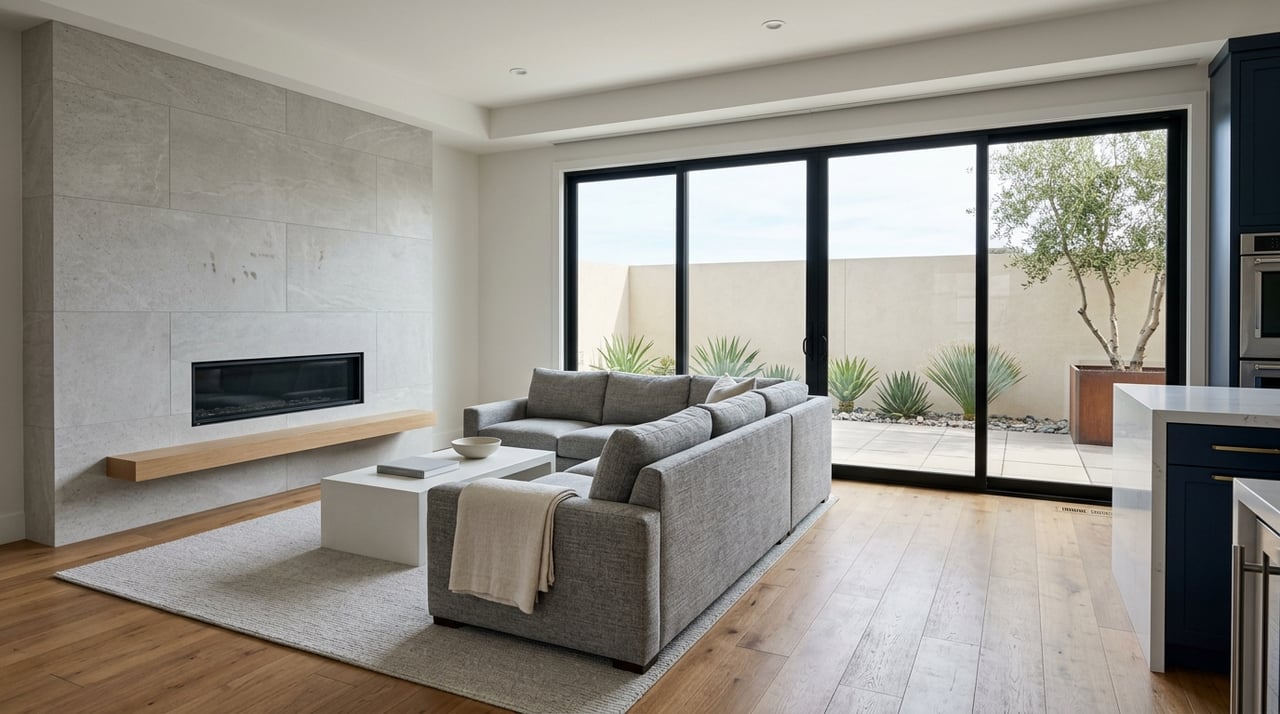
The most effective pre-list work is usually the work buyers notice first. That includes deep cleaning, decluttering, exterior polish, landscaping, paint touch-ups, and strong staging in key rooms. If your home shows as bright, fresh, and move-in ready, buyers are more likely to accept the pricing logic.
Focus on the rooms buyers notice first
According to the 2025 staging report, 29% of agents saw staged homes receive a 1% to 10% increase in offered value, and 49% saw staging reduce time on market. Buyers’ agents identified the living room, primary bedroom, and kitchen as the most important rooms to stage.
That does not mean every home needs an extensive overhaul. It means targeted preparation can help your home compete better, especially if your pricing leaves little room for buyers to mentally subtract for cosmetic work.
Curb appeal still counts
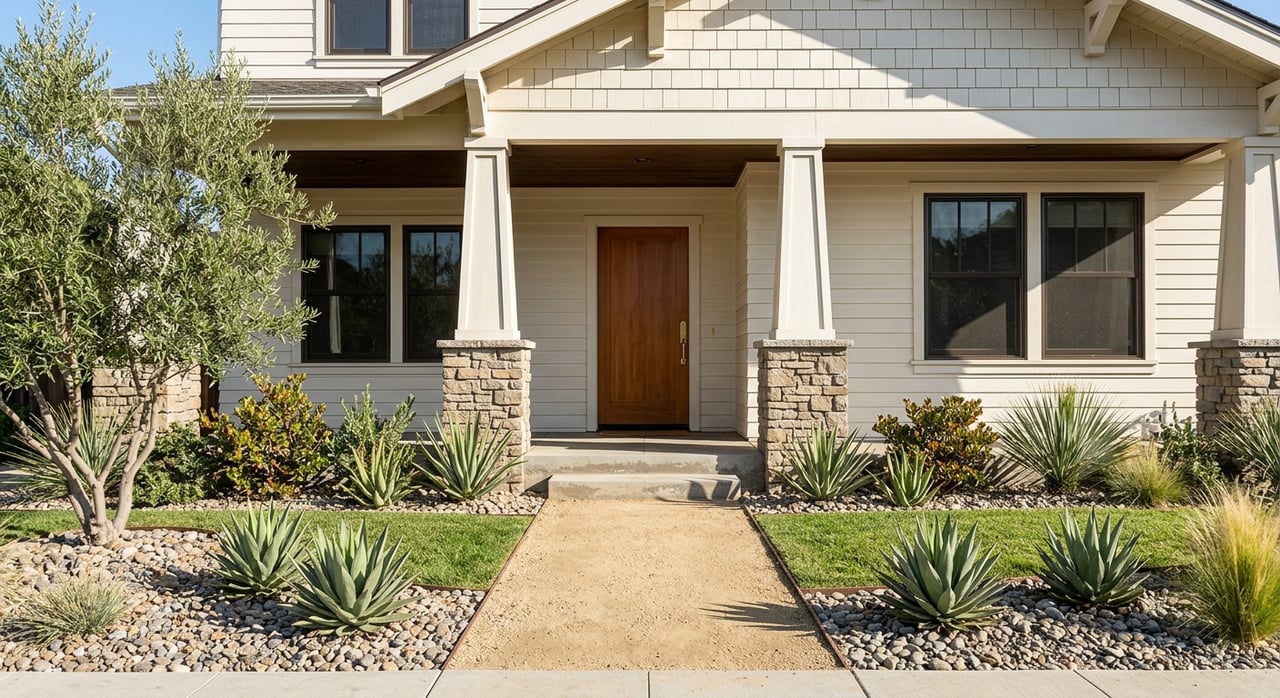
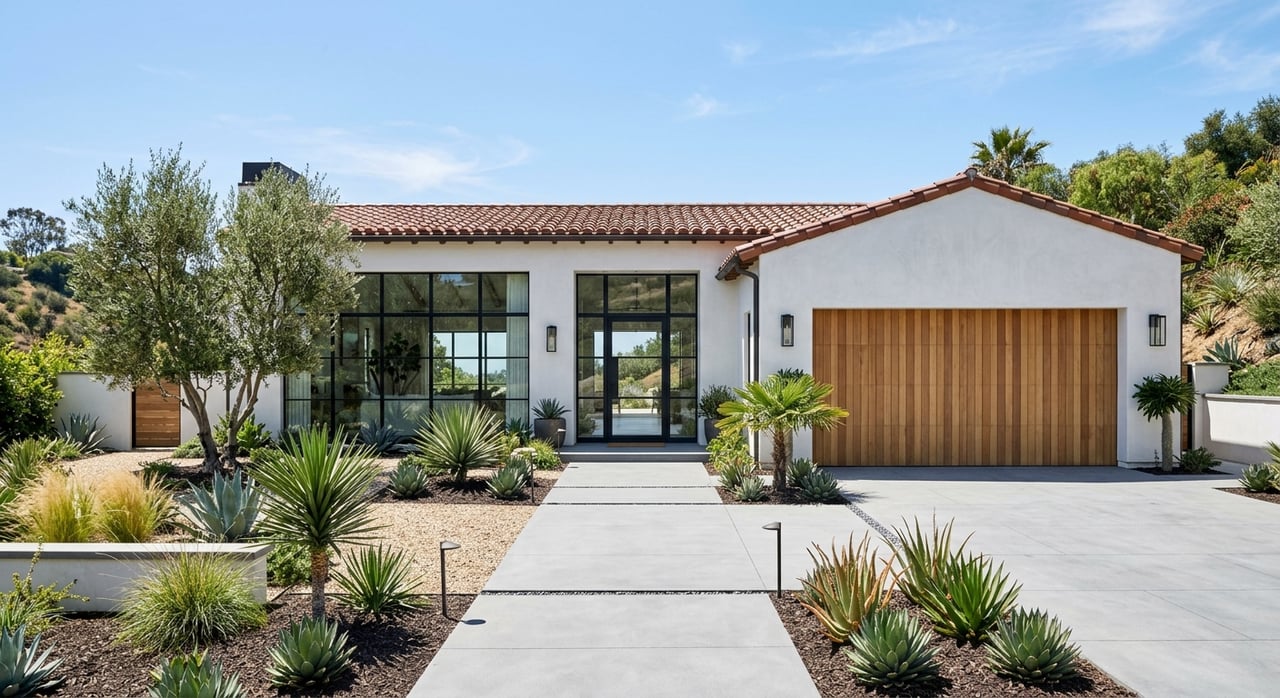
Curb appeal matters before buyers even step inside. The 2025 outdoor-features report found that 92% of REALTORS® recommend improving curb appeal before listing, and 97% believe curb appeal is important in attracting a buyer.
In practical terms, that may mean refreshing landscaping, cleaning hardscape, updating paint where needed, and making the front entry feel crisp and welcoming. In a coastal market where first impressions are often made online, that exterior image carries real weight.
Time your launch carefully
Solana Beach has a practical detail many sellers overlook: the spring and early-summer marine layer. The city notes that fog and low clouds can hug the coastline in May and June before burning off midday.
If your home has exterior appeal or view value, photography timing matters. Gray skies can make a bright coastal property feel flatter online, which can affect how buyers respond to your asking price. Good pricing and good presentation should work together from day one.
Watch the market after listing
Even with strong prep and smart pricing, the market gives feedback quickly. In Solana Beach, that feedback usually arrives in the first two to three weeks.
Here is what to watch:
- Showing volume
- Online saves and buyer inquiries
- Repeat interest from serious buyers
- Offer activity
- Agent feedback about value versus competing listings
If activity is strong but offers are missing, your price may be slightly ahead of buyer expectations. If activity is weak from the start, the home may be missing the right search band. Strategic adjustments work best when they happen early, before your listing starts to feel stale.
A smart Solana Beach pricing plan
If you want the clearest path, think about pricing in this order:
- Review the most relevant recent closed sales.
- Compare your home to current active competition.
- Adjust for your exact location, condition, layout, view, and lot.
- Choose a price that fits the right buyer search band.
- Support that price with strong presentation and launch timing.
- Measure early market response and adjust quickly if needed.
That approach is especially important in Solana Beach because the market is expensive, inventory is limited, and homes do not all behave the same way. Small pricing mistakes can cost you momentum, while a well-positioned launch can create the urgency sellers want.
If you are thinking about selling in Solana Beach, the goal is not to guess high and hope. It is to enter the market with a number you can defend, a presentation buyers respond to, and a plan for what to do next. Grab a coffee and let’s talk about your next move with Anthony Macaluso.
FAQs
How should you price a home in Solana Beach, CA?
- The strongest approach is to use recent comparable sales, current active listings, your home’s specific features, and the buyer search range your property fits best.
How fast do homes sell in Solana Beach, CA?
- Recent market notes show average homes going pending in about 21 days, with hot homes going pending in about 11 days.
Why do similar homes in Solana Beach, CA sell for different prices?
- In a small coastal market, differences in view, condition, lot, layout, finish level, and micro-location can create meaningful price differences even within the same city.
Does staging help when selling a Solana Beach home?
- Yes. The 2025 staging report found that 29% of agents saw a 1% to 10% increase in offered value from staging, and 49% said staging reduced time on market.
What should you fix before listing a home in Solana Beach, CA?
- The most practical pre-list improvements usually include deep cleaning, decluttering, curb appeal, landscaping, paint touch-ups, and focusing on key rooms like the living room, primary bedroom, and kitchen.
Does coastal location affect home pricing in Solana Beach, CA?
- Yes. Beach access, views, proximity to Cedros Avenue or transit, and site-specific coastal conditions can all influence buyer demand and pricing strategy.