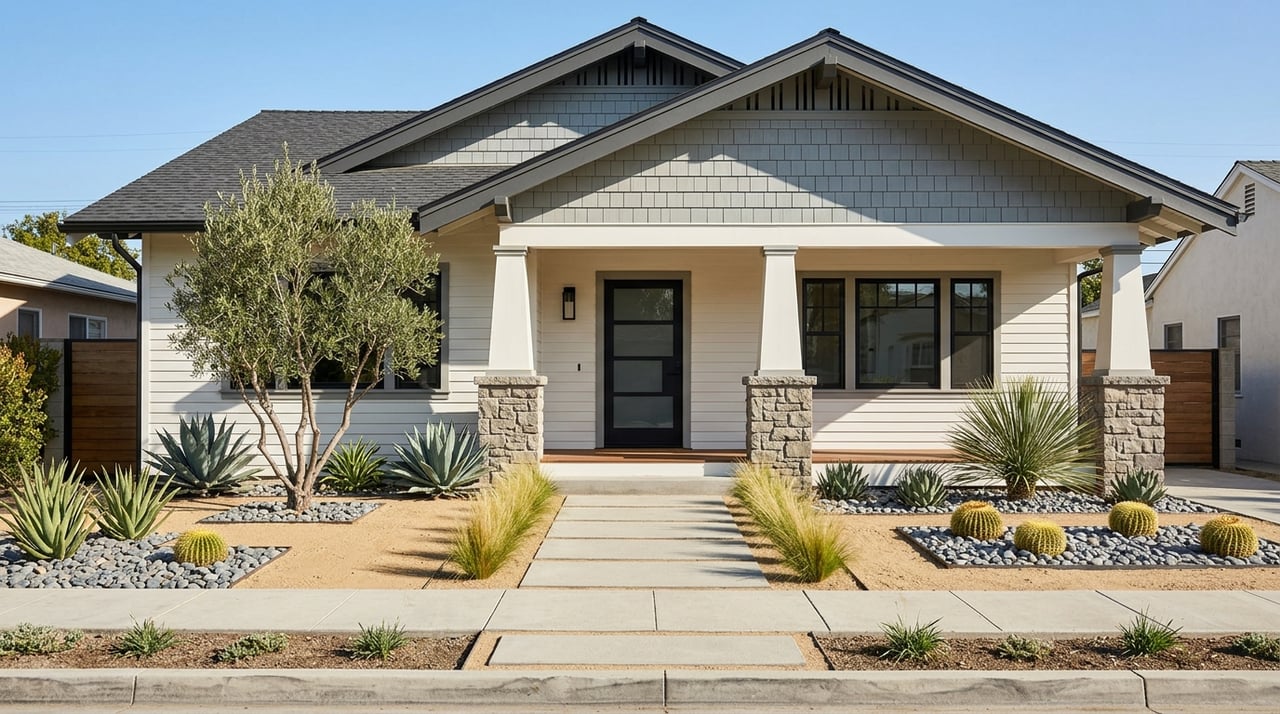
If you’re home shopping in La Mesa, one question can shape your whole search: do you want the charm of an older home or the ease of something newer? In a city where the median owner-occupied home value is $812,000 and the housing stock spans everything from early cottages to infill development, that choice is about more than style. It affects layout, upkeep, future projects, and how you live day to day. Let’s break down what matters so you can decide with confidence.
La Mesa Homes Start With Lifestyle
La Mesa has a mix of long-established neighborhoods and newer infill housing, so your decision often comes down to how you want a home to feel and function. Some buyers are drawn to porches, original details, and mature streetscapes. Others want open living areas, updated systems, and fewer near-term repair questions.
That tradeoff matters in La Mesa because the city is balancing preservation with future growth. City planning documents point to both neighborhood character and new infill development as important parts of La Mesa’s future. In other words, both older and newer homes have a place here.
What Historic Homes Often Offer
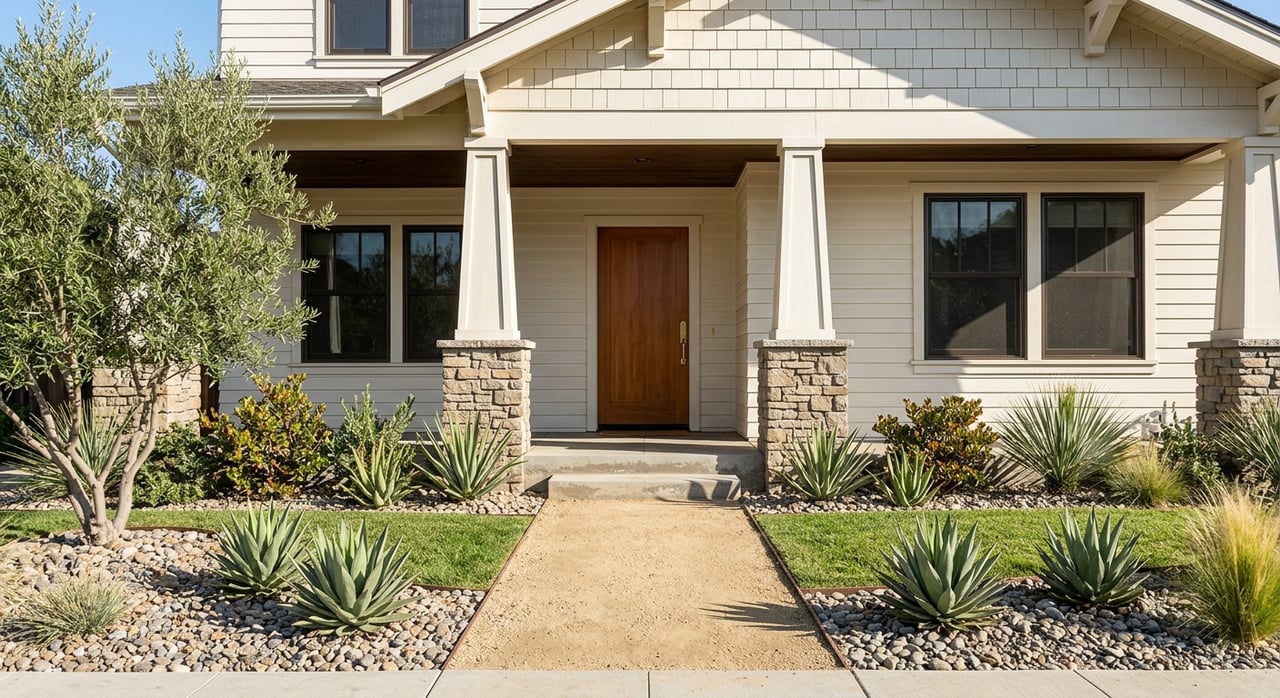
In La Mesa, “historic” often means early-20th-century cottages, bungalows, and similar homes. These homes are typically lower-slung and more compact, with inviting front porches and a more defined room-by-room layout. If you love character and a human-scaled feel, this style can be very appealing.
Many of these homes were designed before today’s preference for large open great rooms. That means you may find smaller individual spaces, more separation between living areas, and a floor plan that feels cozy rather than expansive. For some buyers, that is a feature. For others, it may feel less flexible for modern living.
Historic homes can also offer a stronger sense of place. In parts of La Mesa, older homes sit within mature streetscapes and established neighborhood settings that create a distinct visual identity. If lifestyle and atmosphere matter as much to you as square footage, that can be a major plus.
Why Character Comes With Tradeoffs
Older homes often require a more careful inspection process. La Mesa’s housing analysis notes that the age of the city’s housing stock points to ongoing needs around maintenance, rehabilitation, and code enforcement. For you as a buyer, that means looking closely at both charm and condition.
A smart inspection checklist for an older home should include:
- Roof age and condition
- Plumbing systems
- Electrical systems
- Drainage
- Windows
- Insulation
- Foundation condition
- Permit history for past work
None of that means an older La Mesa home is a bad choice. It just means you should go in with clear expectations, a realistic repair budget, and a plan for future updates.
What Newer Homes Often Offer
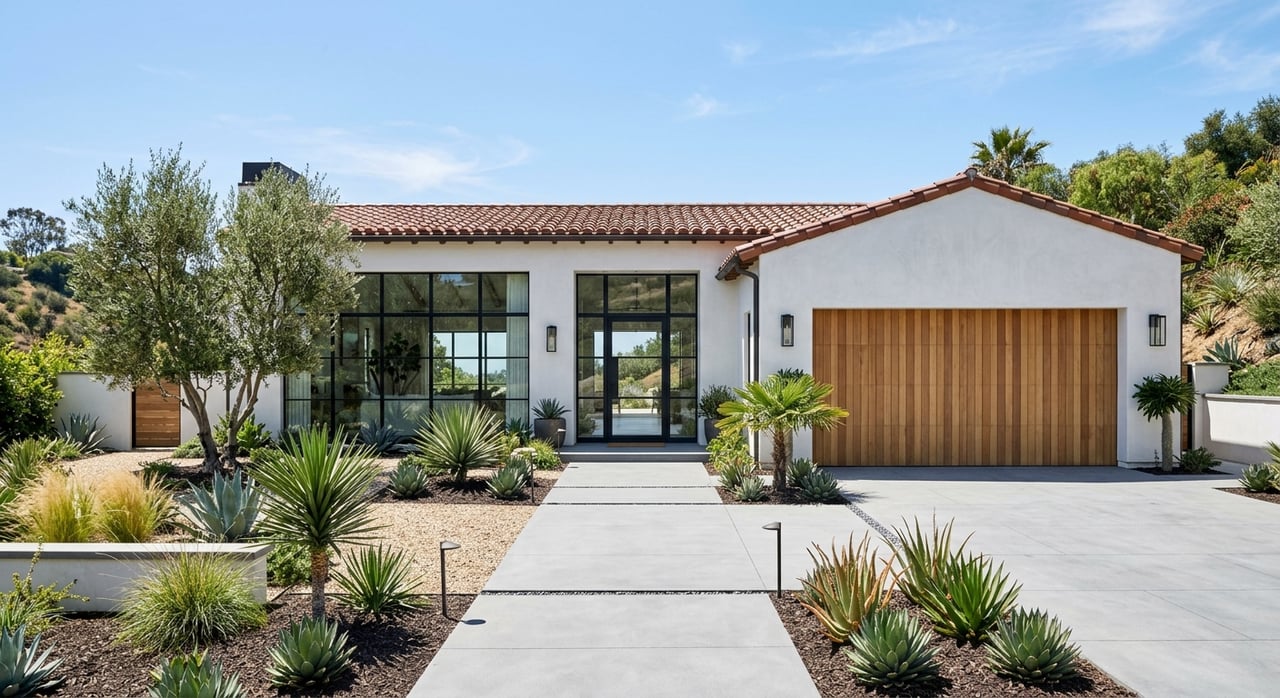
Newer homes in La Mesa are usually tied to infill and mixed-use development rather than large new subdivisions. City planning documents, especially around Downtown Village and transit-oriented corridors, show that future growth is expected to happen through context-sensitive development that fits into the surrounding area.
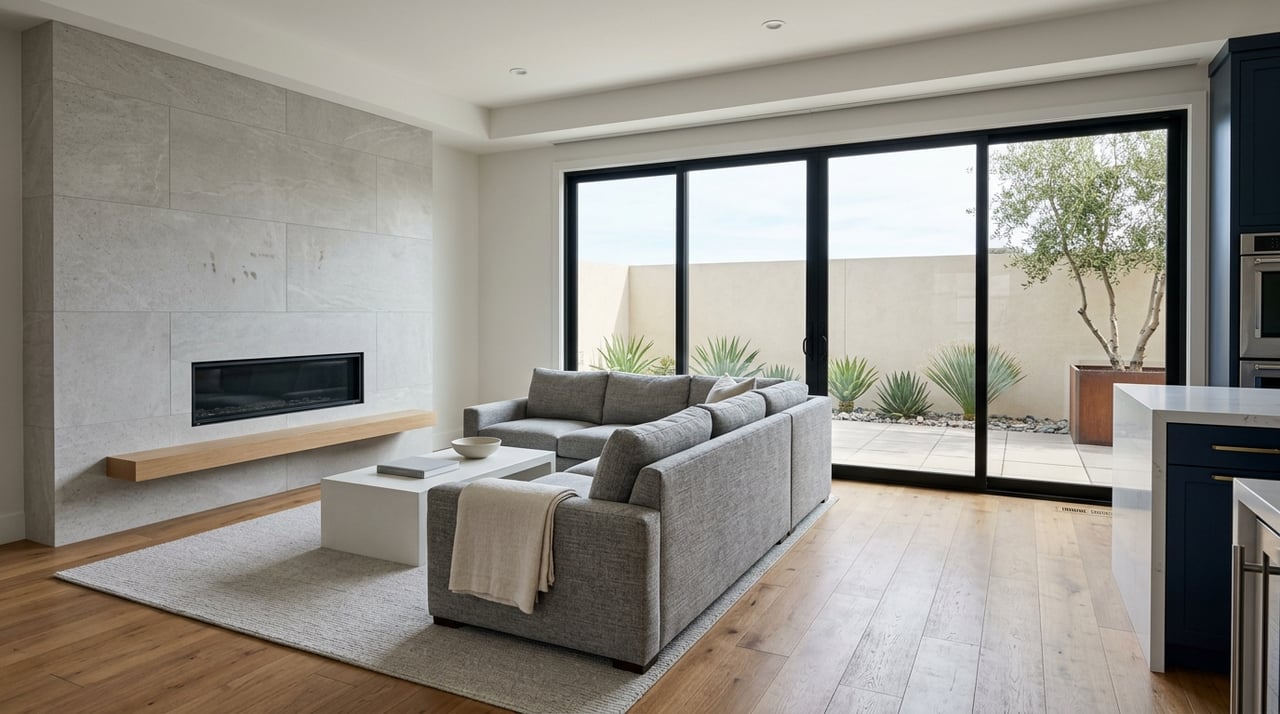
From a design standpoint, newer and rebuilt homes often feel more open and casual. Postwar and later residential design commonly features more open interiors and living patterns that connect the kitchen, dining, and family spaces. If you want a layout that feels ready for today’s day-to-day routines, newer construction may be a better match.
These homes also tend to appeal to buyers who want a more turnkey starting point. While every property is different, newer homes often come with fewer immediate maintenance surprises and a cleaner path for personalization. That can be especially helpful if you want to move in and focus on settling into the neighborhood rather than managing repairs right away.
Why Newer Homes Feel Different
The biggest difference is often the floor plan. Newer homes tend to support the way many buyers live now, with more visual connection between rooms and less separation. That can make a home feel brighter, larger, and easier for everyday living.
You may also notice a more uniform design language in newer housing. In La Mesa, though, city design standards still emphasize compatibility with surrounding neighborhoods. So even newer development is generally expected to fit the local context rather than ignore it.
Remodeling Rules Matter in Historic Properties
If you are thinking ahead to an addition, major remodel, or ADU, this is an important part of the decision. The City of La Mesa’s ADU guide says that a property on the Historic Resource Inventory can still add an ADU, but the unit generally needs to go behind the primary residence and match the historic home’s architectural style and materials.
If the property is under a Mills Act contract, that contract may also need to be amended. In practical terms, this tells you that historic homes can come with extra design sensitivity when you want to change or expand them. If future flexibility is high on your list, that is something to weigh early.
Newer homes may offer a simpler path if you expect to personalize over time. That does not mean no rules apply, but it can mean fewer style-related preservation concerns tied to the original structure.
Neighborhood Feel Can Tip the Scale
In La Mesa, the home itself is only part of the story. The city places a strong emphasis on walkability, public space, and neighborhood connections. Its Urban Trails program links parks, recreation, medical facilities, retail, and restaurants, and city planning highlights places like Downtown Village and key corridors as important community connectors.
That means your decision may come down to setting just as much as architecture. An older home may offer porch culture, mature surroundings, and a more rooted neighborhood feel. A newer home may offer an updated living environment in an area shaped by infill growth and design-guided development.
Neither option is automatically better. The right fit depends on whether you care more about original character, a sense of place, open layouts, lower immediate maintenance, or future project flexibility.
How to Choose the Right Fit
If you are deciding between a historic and newer home in La Mesa, start with your daily life instead of the listing photos. Think about how you live, what kind of upkeep you are comfortable with, and whether you expect to remodel in the future.
Here are a few useful questions to ask yourself:
- Do you want charm and architectural detail, or a more modern layout?
- Are you comfortable budgeting for repairs and system updates?
- Do you want a move-in-ready home with fewer near-term projects?
- Is a front porch and established streetscape part of your ideal lifestyle?
- Do you expect to add on, remodel, or build an ADU later?
- Would you rather have separated rooms or more open living space?
If your answers lean toward character, atmosphere, and classic design, an older La Mesa home may be the better fit. If your answers lean toward convenience, flexibility, and a more turnkey experience, a newer home may make more sense.
A Smart La Mesa Buying Strategy
Because La Mesa has both aging housing stock and ongoing infill growth, it helps to compare homes through a practical lens. Look beyond the finishes and ask what ownership will feel like over the next five to ten years. A charming bungalow with deferred maintenance and a newer infill home with a simpler upkeep profile can create very different ownership experiences.
This is where a calm, local, detail-focused strategy really matters. You want to compare not just price and style, but also inspection risk, project potential, layout fit, and neighborhood setting. When you evaluate the full picture, it becomes much easier to tell which home supports your goals.
If you’re weighing older versus newer homes in La Mesa and want a practical, no-pressure conversation about what fits your lifestyle best, grab a coffee and let’s talk about your next move with Anthony Macaluso.
FAQs
What do historic homes in La Mesa usually look like?
- Historic homes in La Mesa often include cottages, bungalows, and other early-20th-century designs with porches, compact layouts, and more separated rooms.
What should buyers inspect in an older La Mesa home?
- Buyers should pay close attention to the roof, plumbing, electrical, drainage, windows, insulation, foundation, and permit history because older housing stock may need more maintenance or rehabilitation.
Do historic La Mesa properties have extra remodeling rules?
- Yes. If a property is on the Historic Resource Inventory, additions like ADUs generally need to be placed behind the main home and designed to match its architectural style and materials, and Mills Act properties may need contract changes.
Where is newer home development most common in La Mesa?
- Newer development is most likely to appear in infill and mixed-use settings, especially around Downtown La Mesa and transit-oriented corridors identified in city planning documents.
Are newer homes in La Mesa always better than historic homes?
- No. Newer homes often offer more open layouts and fewer immediate maintenance issues, while historic homes often offer stronger character, porches, and a greater sense of place.
How should buyers choose between an older and newer La Mesa home?
- The best choice depends on your priorities, including layout, upkeep, remodeling plans, neighborhood feel, and whether you want charm or a more turnkey experience.