Thinking about selling your home in Del Cerro and wondering how long the process really takes? You are not alone. Most sellers want two things at the same time: the strongest possible sale and a clear plan they can trust. The good news is that homes in 92120 have been moving relatively quickly, but a successful sale still depends on smart prep, timing, and careful coordination from start to finish. This step-by-step guide walks you through a practical Del Cerro home-sale timeline so you know what to expect before listing, while your home is on the market, and all the way through closing. Let’s dive in.
Del Cerro Sale Timeline at a Glance
If you are selling in Del Cerro, it helps to think about the timeline in phases instead of focusing only on days on market.
Recent market snapshots suggest homes in 92120 sell in about 27 to 29 days on average, and Del Cerro specifically has shown a median of about 24 days on market, according to Redfin’s 92120 housing market data. Still, that is only the marketing and contract phase, not the full sale from planning to proceeds.
A realistic seller timeline often looks like this:
- 2 to 3 months before listing: pre-sale inspection, repair planning, pricing strategy
- About 1 month before listing: cleaning, decluttering, staging prep, photography scheduling
- Listing week through offer review: showings, buyer feedback, negotiations
- About 3 to 6 weeks in escrow, often longer for financed buyers: disclosures, appraisal, contingencies, final walkthrough, signing, funding
For many Del Cerro sellers, the full process can feel closer to several weeks to a few months depending on property condition, repairs, financing, and whether HOA documents are needed.
Phase 1: Start Prep Early
The strongest sales usually begin well before the listing goes live. If you wait until the last minute to inspect, clean, repair, and coordinate vendors, your timeline can get tight fast.
Bankrate’s home-selling guide recommends getting a pre-sale inspection 2 to 3 months before listing. That gives you time to understand your home’s condition and decide which issues to address before buyers ever walk through the door.
Why pre-listing prep matters
Preparation shapes both buyer interest and negotiation leverage. A well-presented home can photograph better, show better, and reduce surprises once you are under contract.
The 2025 NAR Profile of Home Staging found that 83% of buyers’ agents said staging made it easier for buyers to visualize a property as a future home. The same report highlights photos, physical staging, videos, and virtual tours as important listing tools.
What to handle before listing
Your pre-listing checklist may include:
- Decluttering each room
- Whole-home cleaning
- Minor repairs
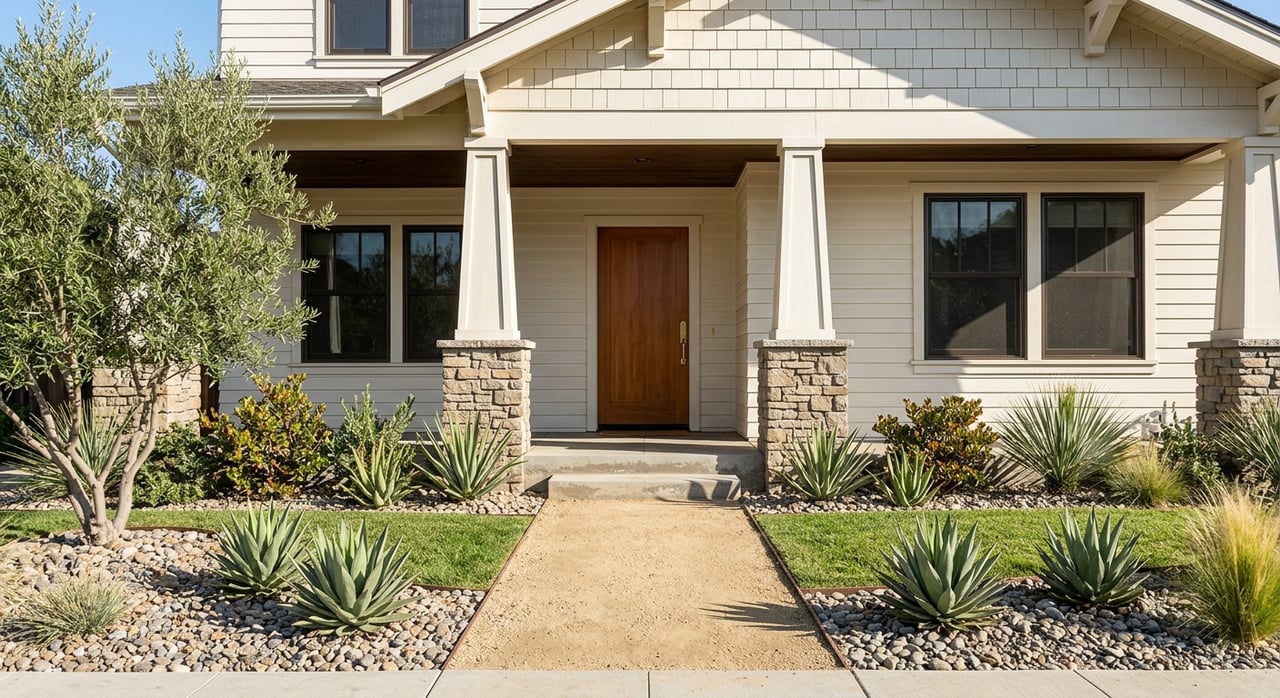
- Curb appeal improvements
- Staging consultation or staging installation
- Professional photography and video
- Final pricing review using local comparable sales
This is also the phase where you decide what to fix now and what to leave for buyer negotiations later.
Phase 2: Decide What to Repair
Not every repair needs to happen before you list. The goal is not perfection. The goal is to remove distractions that could hurt your price, slow down your sale, or create avoidable concerns for buyers.
According to Bankrate, sellers should evaluate upgrades based on resale value and use local comps to guide decisions. In practical terms, that usually means prioritizing repairs that improve presentation, safety, or buyer confidence.
Repairs worth considering first
These are often the most useful pre-listing fixes:
- Leaky faucets or visible plumbing drips
- Damaged drywall or chipped paint
- Burned-out light fixtures or obvious maintenance issues
- Worn caulking, loose hardware, or small cosmetic defects
- Exterior touch-ups that improve first impression
Larger projects may or may not make sense depending on cost, timing, and expected return. A calm, data-driven review can help you avoid over-improving.
When pricing in repairs may work
Sometimes it makes more sense to disclose an issue and price accordingly rather than take on a major project before launch. That can be especially true if the repair is expensive, requires permits, or could delay your listing.
The right strategy depends on your timeline, budget, and buyer expectations in Del Cerro at the time you sell.
Phase 3: Get Show-Ready Before Launch
Once your prep plan is in place, the next goal is making sure your home is fully ready before it hits the market. In a faster-moving area, the first days matter.
Buyers usually see your home online before they ever schedule a showing. That is why clean presentation, strong photos, and pricing discipline matter right away.
What happens during listing week
This stage usually includes:
- Final cleaning and touch-ups
- Staging or furniture placement
- Professional photography and video
- MLS entry and marketing launch
- Showing instructions and scheduling
Bankrate also recommends keeping the property clean, decluttered, and show-ready once your listing is active. If showings begin quickly, staying ready can make a real difference.
Pricing matters most early
Overpricing can cost you momentum during the period when buyer attention is highest. In a market where homes in 92120 have been selling in roughly a month, the first week or two is especially important for attracting serious buyers.
That is why a comparable-sales review and a realistic launch price are such a key part of the process.
Phase 4: Showings and Offer Review
Once your home is live, your timeline becomes more visible to buyers. If the home is priced well and presents well, this is when activity can build.
Bankrate advises sellers to make themselves scarce during showings so buyers can view the home comfortably. That simple step can help people move through the property more naturally and picture themselves there.
How long until offers arrive?
There is no guaranteed answer, but current 92120 data suggests many homes go under contract in roughly 24 to 29 days, depending on source and methodology. Some homes move faster. Others take longer based on condition, price point, competition, and buyer financing.
If your launch is strong, the first several days and weeks are often the most active period.
How to compare offers
The highest price is not always the best offer. Bankrate recommends reviewing:
- Financing type
- Down payment amount
- Contingencies
- Seller concession requests
- Proposed closing date
Counteroffers should be in writing, and Bankrate notes they are often given a short response window, commonly 48 hours or less. If the buyer is getting a loan, the appraisal can also affect the deal if the appraised value comes in below contract price.
Phase 5: Open Escrow and Deliver Disclosures
Once you accept an offer, you move into escrow. This phase often feels paperwork-heavy, because it is.
For financed sales, Bankrate reports that the average time to close is about 41 days nationally. Your transaction could be faster or slower, but this gives sellers a useful planning benchmark.
California disclosure timing matters
In California, seller disclosures are not something to leave until the end. Under California Civil Code 1102.3, the completed transfer disclosure statement must be delivered as soon as practicable before transfer of title. If a required disclosure is delivered after the offer is executed, the buyer may have a 3-day in-person or 5-day mail or electronic delivery right to cancel.
That timing is one reason organized document preparation matters so much.
Hazard disclosures may also apply
California Civil Code 1103 requires hazard disclosures for properties located in applicable flood, fire, earthquake, seismic, or wildland-fire zones. These disclosures are part of the normal timeline if your property falls within those areas.
The key takeaway is simple: get your paperwork moving early so it does not create delays later.
Phase 6: HOA Documents, If Applicable
If your Del Cerro property is in a condominium or HOA community, add another step to the timeline. Association paperwork can take time, and it is better to request it early than scramble once you are already in escrow.
Under California Civil Code 4525, common-interest development disclosure documents must be delivered as soon as practicable before transfer or contract execution. Civil Code 4530 also says the association must provide requested documents within 10 days.
Why HOA timing can affect closing
HOA packages may include fees, governing documents, financial information, and other required resale materials. If those documents are ordered late, they can slow buyer review and create avoidable stress during escrow.
If your property has an HOA, this should be part of your timeline from day one.
Phase 7: Final Walkthrough, Signing, and Funding
As closing gets closer, the focus shifts from negotiations to follow-through. This is when repairs, final documentation, and buyer verification all come together.
According to Realtor.com’s seller closing guide, sellers should complete agreed repairs at least a week before closing. The buyer’s final walkthrough is often about 24 hours before closing, and another California-focused Realtor.com guide notes walkthroughs are typically within 1 to 3 days of closing.
What to have ready
A practical closing packet may include:
- Original purchase contract
- Mortgage documents
- Tax records
- Homeowners insurance information
- Inspection reports
- Seller disclosure statement
Bankrate notes that much of the sale timeline is really document management. Staying organized here helps your closing go more smoothly.
When do you get paid?
The Consumer Financial Protection Bureau requires the Closing Disclosure at least three business days before closing, which gives everyone time to review final numbers before signing. After signing, funding, and county recording, proceeds are often wired out the same day, according to Realtor.com.
In San Diego County, the Assessor/Recorder/County Clerk office accepts and records legal instruments, making recording one of the final milestones before funds are released.
What This Means for Del Cerro Sellers
If you are selling in Del Cerro, the biggest mistake is assuming a quick market means a simple process. A home may attract offers within weeks, but the full timeline still depends on preparation, disclosures, escrow coordination, and buyer financing.
The smoothest sales usually come from a clear plan: inspect early, decide on repairs, prepare the home for strong photos and showings, price with discipline, and stay ahead on disclosures and documents. That is how you protect both timing and leverage.
If you want a step-by-step plan built around your property, timing goals, and prep needs, Anthony Macaluso offers calm, hands-on guidance backed by strong marketing, responsive communication, and a polished listing process. Grab a coffee and let’s talk about your next move.
FAQs
How long does it usually take to sell a home in Del Cerro from start to finish?
- A well-prepared home may go under contract in roughly 24 to 29 days based on recent 92120 market snapshots, but the full process from prep to proceeds often takes several weeks to a few months once repairs, marketing, escrow, and closing are included.
Which repairs should a Del Cerro seller make before listing?
- Focus first on cleaning, decluttering, minor repairs, and curb appeal improvements, then evaluate larger projects based on cost, timing, and likely resale impact.
When do California seller disclosures need to be delivered in a home sale?
- Required disclosures should be delivered as soon as practicable before transfer of title, and late delivery after contract acceptance can give the buyer a short cancellation window under California law.
Does an HOA change the Del Cerro home-sale timeline?
- Yes, if your property is in an HOA or condo community, resale documents should be ordered early because they can add time to the transaction.
When does a seller receive proceeds after closing in San Diego?
- Sellers are often paid after signing, buyer funding, and county recording are complete, and proceeds are frequently wired the same day those final steps happen.